
Gum damar, also known as dammar gum, has a fascinating history that spans centuries. This natural resin, harvested from Dipterocarpaceae trees, originated in the lush forests of Southeast Asia, including Indonesia, Malaysia, and India. Understanding the history of gum damar reveals its evolution from traditional uses to modern industrial applications, highlighting its enduring value in sustainable practices.
Ancient Origins and Cultural Significance
The history of gum damar begins in ancient times, deeply rooted in Southeast Asian cultures. The name “damar” comes from Malay, meaning “light” or “torch,” as indigenous communities used it to make torches by mixing the resin with wood and bark for illumination in dense forests. For example, Buddhists and Hindus in India worshipped the source trees, while Malaysians burned it as incense to promote clarity and ward off melancholy. Additionally, this resin played roles in spiritual rituals, symbolizing enlightenment and purity.

Traditional Uses Across Asia
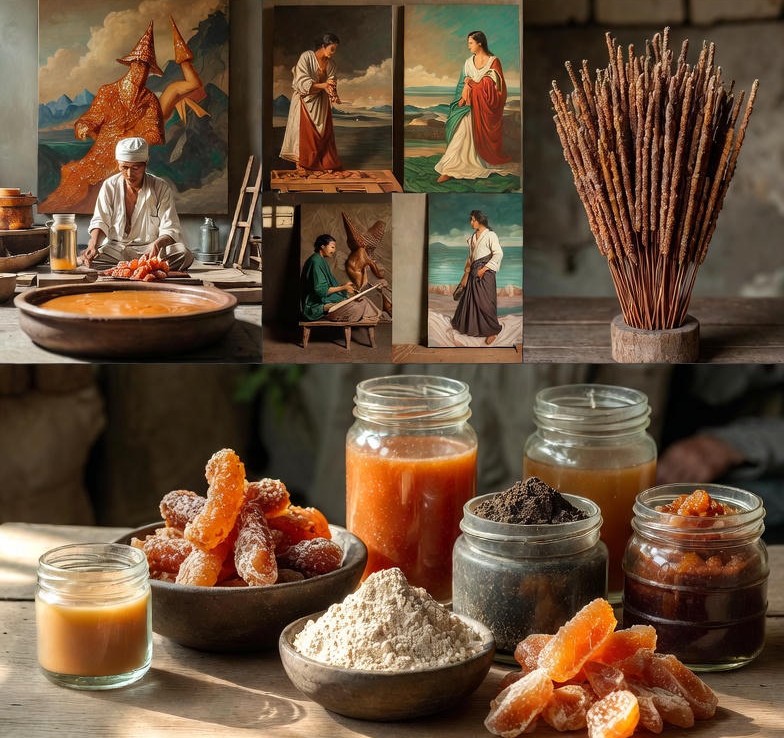
In its early history, gum damar proved versatile in daily life. Communities used it as a sealant for caulking boats, ensuring safe trade and fishing. It also appeared in traditional medicine, plasters, and food glazing. Artisans valued it for varnishes, lacquers, and adhesives, often stiffening fabrics or enhancing crafts. Moreover, its aromatic properties made it ideal for incense in temples and homes, warding off negative energies. Harvesting involved sustainable tapping—making incisions to let resin flow without damaging trees—which supported local economies for generations.
Expansion to Western Markets in the 19th Century
The 19th century marked a turning point in the history of gum damar. Introduced to Europe as a picture varnish in 1826, it gained popularity among artists for its clarity and quick-drying qualities, eventually surpassing resins like mastic. Painters mixed it with pigments and oils for glossy, durable artworks, transforming oil painting techniques. As a result, it integrated into industrial products like inks, paints, and adhesives, driven by its natural tackiness and eco-friendly nature.


Modern Applications and Sustainability
Today, the history of gum damar continues as Indonesia leads global exports. At Naval Group, we source it ethically from regions like Aceh and Sulawesi, ensuring traceability and quality for uses in pharmaceuticals, cosmetics, and bio-based packaging. With the shift toward green alternatives, this renewable resin reduces reliance on synthetics, positioning it as a key resource for the future.
Uncover how the history of gum damar can enhance your projects—connect with Naval Group for premium, responsibly sourced gum damar. For more on our sustainable products, check our https://navalgroup.biz/all-products/.